The Challenge of the Multi-Purpose Hall
In the Irish school system, the sports hall is rarely just a place for basketball. It serves as an assembly hall, a venue for exams, a space for indoor soccer, and a hub for physical education classes. When planning a flooring upgrade, the temptation is often to choose the cheapest or most generic option. However, given the high foot traffic and varied activities, investing in the right surface is essential for long-term value.
Understanding the Core Requirements
Before looking at specific materials, you need to assess how your hall is used. A floor that handles a heavy badminton tournament schedule has different requirements than one designed primarily for futsal or general PE. Key factors to consider include:
Shock Absorption: Protecting students' joints during high-impact activities like running or jumping.
Durability: The ability to withstand heavy equipment, chairs, and regular footfall without showing premature wear.
Maintenance: How easily can the surface be cleaned and repaired to ensure it lasts for years?
Multi-sport Versatility: Providing the right amount of grip and ball bounce for various sports.
Comparing Common Flooring Materials
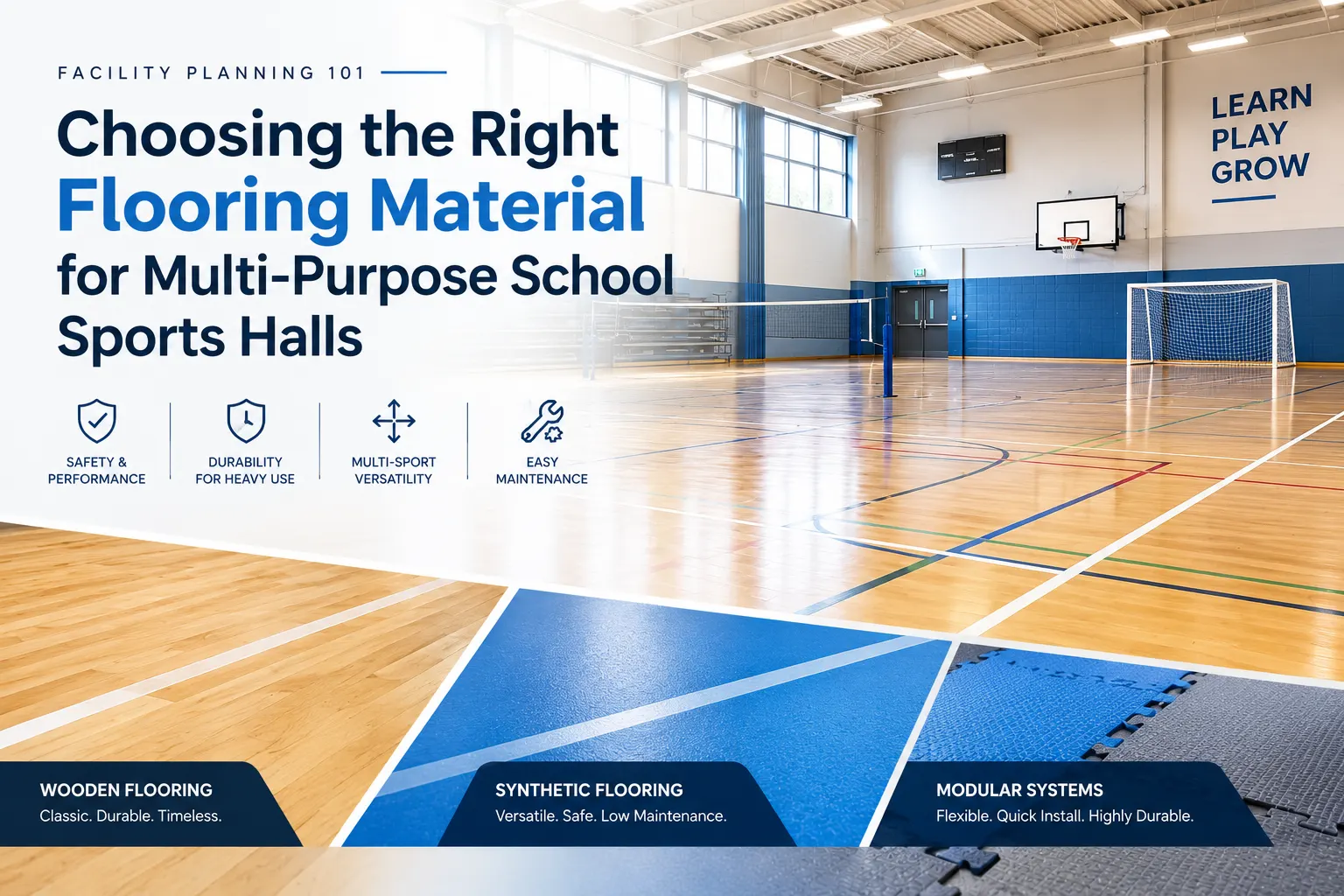
For most schools, the choice usually comes down to three main categories: wood, synthetic, and modular systems.
Wooden Court Flooring
Traditional hardwood remains the gold standard for many sports, particularly basketball and indoor athletics. It offers excellent shock absorption and a professional feel that athletes appreciate. From a long-term perspective, wood is a sustainable choice because it can be sanded and refinished to restore its surface, potentially lasting decades. However, it does require a controlled environment and can be sensitive to moisture, making it a significant investment that requires proper care.
Synthetic Sports Flooring
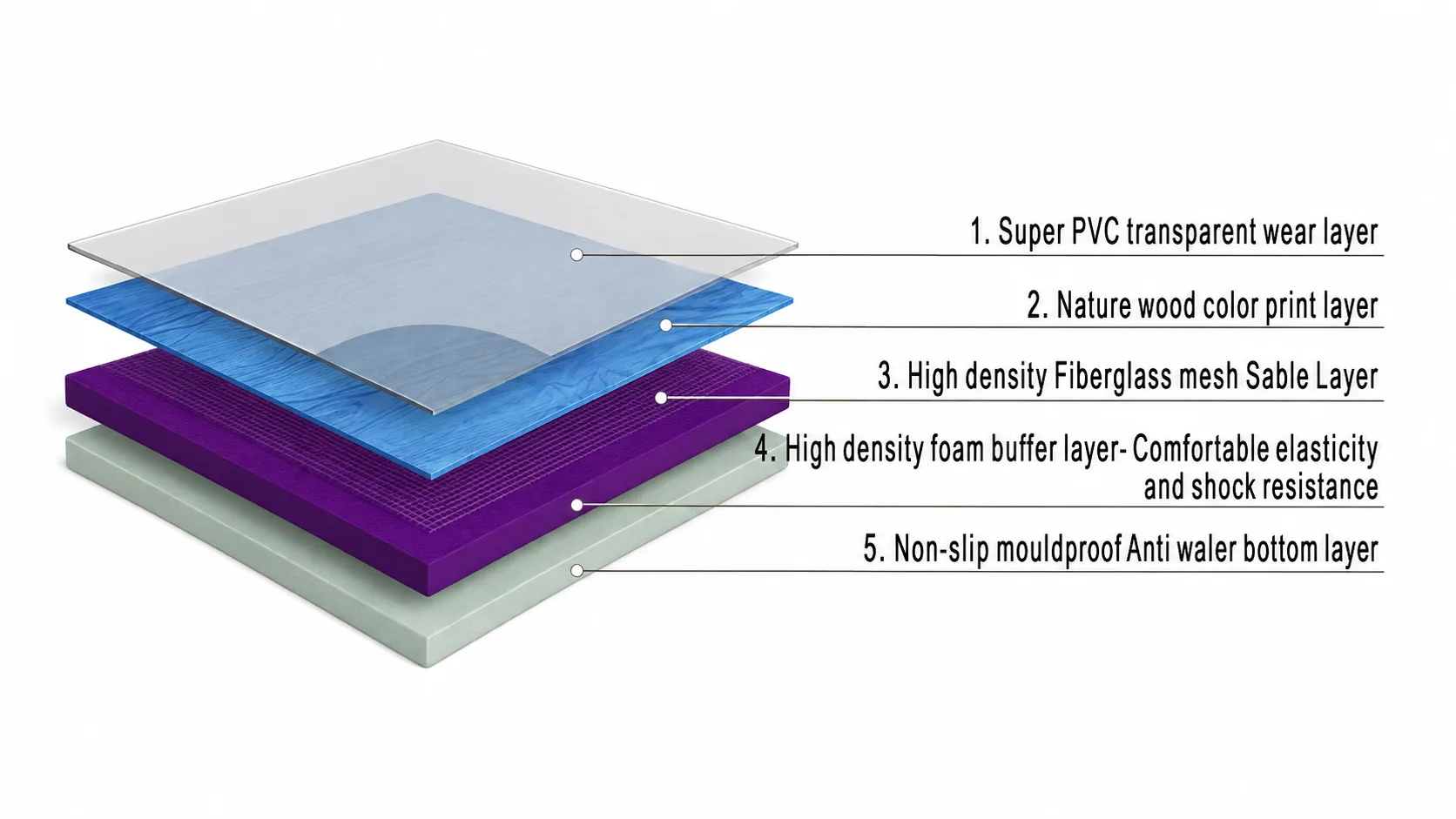
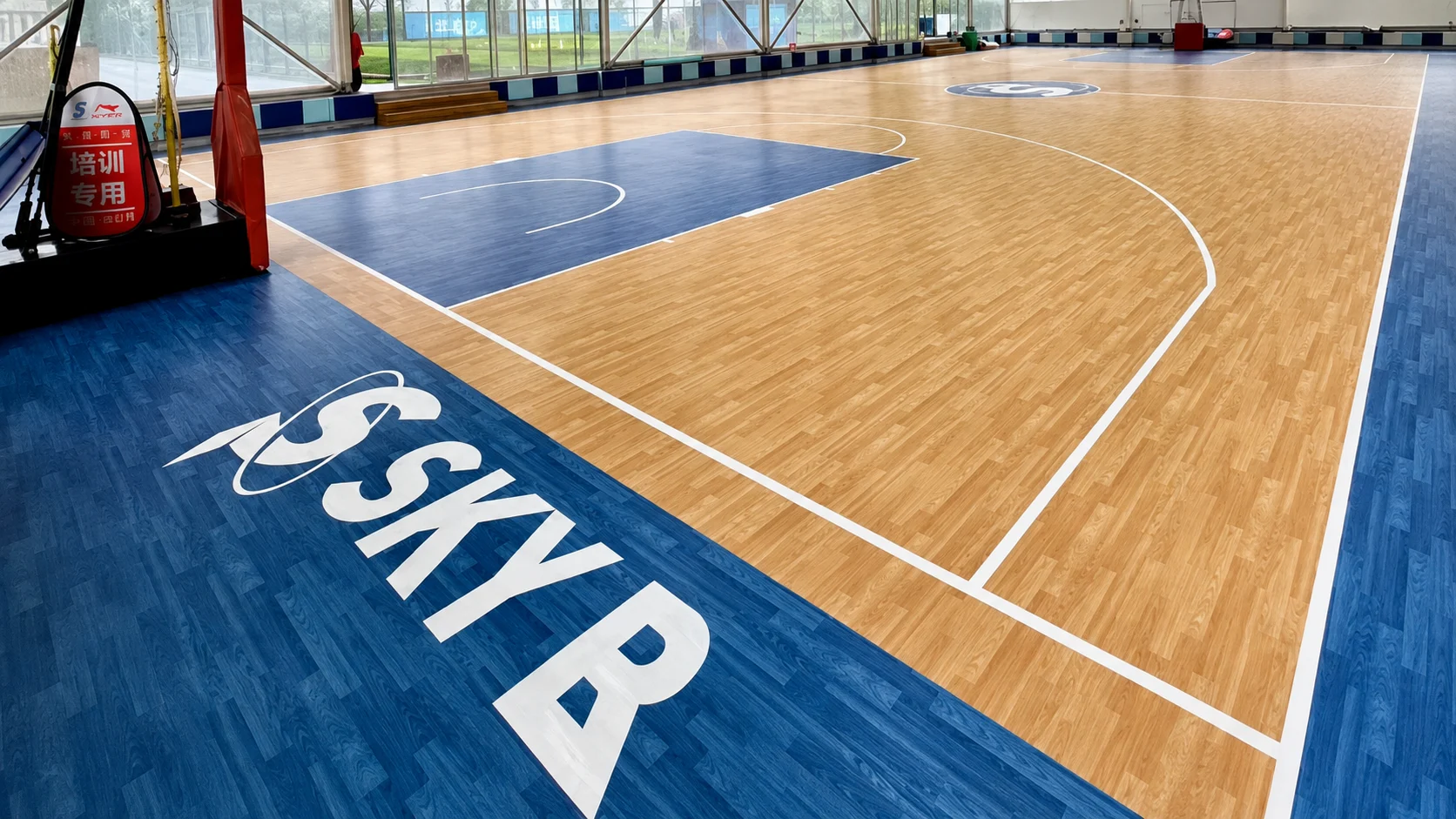
Synthetic options, such as high-grade vinyl or polyurethane, are incredibly popular in modern Irish schools. They are generally more resistant to moisture and easier to maintain than wood. These surfaces are designed to be multi-functional, providing a consistent ball bounce across different sports. They are also excellent at absorbing impact, which is a key safety consideration for younger students.
Modular Systems
For facilities that need maximum flexibility, modular flooring systems—often made from high-impact polypropylene—are a practical solution. These tiles can be snapped together, allowing for quick installation. If a section of the floor is damaged, you only need to replace the individual tiles rather than the entire surface. They are excellent for multi-sport use and are highly resistant to the wear and tear associated with non-sporting events like school assemblies.
Making the Final Decision
When you are ready to move forward, avoid making the decision in isolation. Consult with your coaching staff and the maintenance team to get a clear picture of what is needed daily. Ask for samples and consider the long-term maintenance costs, not just the initial purchase price. At CEPA Sports, we work with school administrators and academy owners to identify surfaces that meet both their performance goals and their budget constraints. A well-planned floor isn't just an expense; it is a foundation for your students' physical development and your school's reputation as a top-tier facility.