The Critical Role of Flooring in Student Safety
For school administrators and sports program leads, the safety of students is the highest priority. While we often focus on coaching and equipment, the surface upon which students play is the most fundamental aspect of injury prevention. A substandard sports floor isn't just an inconvenience; it is a liability. Understanding the technical standards for indoor sports flooring can help you make informed decisions that protect your athletes and ensure your facility remains a center for excellence.
Understanding Shock Absorption and Force Reduction
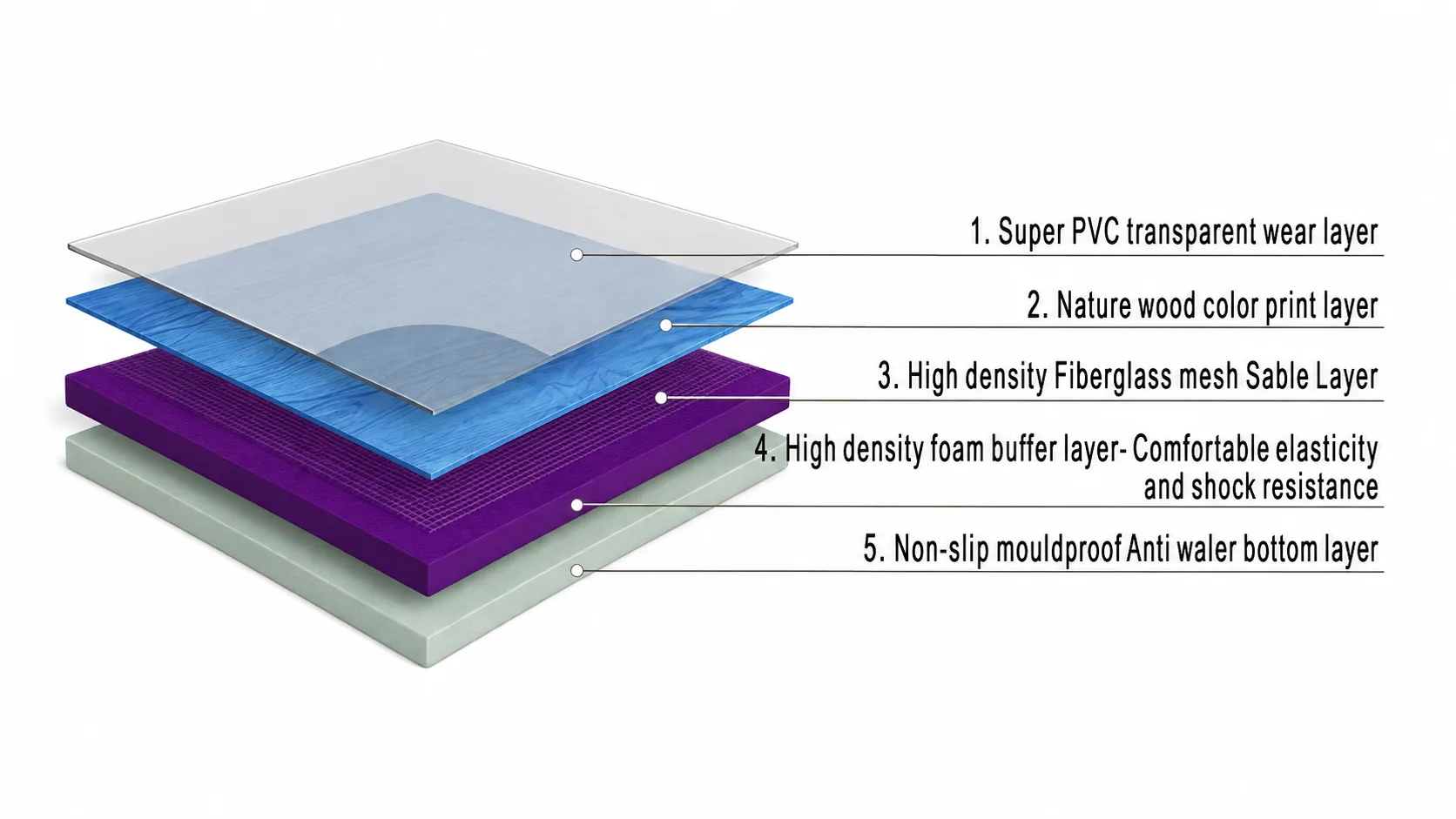
The most important metric for any indoor sports surface is shock absorption. When a student jumps or runs, the impact force travels through their joints. High-quality flooring, such as professional wooden courts or specialized synthetic surfaces, is engineered to absorb a significant percentage of this force. Surfaces that are too hard increase the risk of stress fractures and joint fatigue. Look for flooring solutions that comply with international standards for force reduction, ensuring that the floor gives back to the athlete rather than punishing them.
The Importance of Surface Friction and Slip Resistance
Slips, trips, and falls are the most common causes of sports injuries in schools. A floor must provide the right balance of grip and slide. If the floor is too slippery, athletes lose stability during rapid direction changes. If it is too grippy, it can cause ankle and knee injuries during sudden pivots. Consistent surface friction is essential for badminton, futsal, and basketball. When evaluating flooring options, insist on testing reports that guarantee uniform friction levels across the entire playing area, even under varying humidity conditions.
Vertical Deformation and Ball Rebound
While shock absorption protects the athlete, vertical deformation affects the game itself. This refers to how much the floor yields under the weight of an athlete. A floor that is too soft feels unstable, while one that is too rigid creates a jarring experience. Furthermore, ball rebound consistency is vital for competitive sports. A floor that deadens the ball or produces unpredictable bounces disrupts skill development. Choosing a floor that is certified for multisport use ensures that your facility supports the specific technical needs of various games while maintaining a safe environment for all skill levels.
Durability and Long-Term Maintenance
Safety is not a one-time achievement; it is a commitment to maintenance. Even the best-engineered flooring will degrade if not properly cared for. High-traffic school facilities require surfaces that resist indentation, moisture, and wear. Establish a regular maintenance schedule that includes professional cleaning and periodic inspections of seams or surface finishes. By addressing minor wear and tear early, you prevent the development of uneven patches that could become tripping hazards for students.
Investing in the right flooring is an investment in your students' health and your institution's reputation. By prioritizing shock absorption, friction consistency, and structural integrity, you create a professional-grade environment that encourages athletic growth. When planning your next facility upgrade, consult with experts who understand the specific demands of the Indian climate and the high-intensity usage typical in school settings.